Showing posts with label Big size. Show all posts

Hokkaido

The Hokkaido (北海道犬 Hokkaidō-Inu or Hokkaidō-Ken?) is a breed of dog. Other names for the breed include Ainu-Ken and Seta. In Japan, its name is sometimes shortened to Dō-Ken. The Hokkaido is native to the prefecture of the same name in Japan.

Appearance

The breed is medium in size, and has small, triangular, upright ears. The small eyes have a rising triangular outline. The Hokkaido has a coat of long, stiff fur, and a second, shorter coat of soft fur. Colors include red, white, black, tiger, sesame, black and tan and wolf-gray. Males are typically 50 cm tall, and females a few centimeters shorter, with body masses in the 20 kg range.

Temperament

The breed is known for faithfulness to its owner, bravery, and the ability to withstand the cold, among other traits. It has an innate sense of direction and can therefore return to its master no matter how great the distance. This breed has the unusual capability of fighting against the Hokkaido Brown Bear, or Higuma to protect its master. The way in which the Ainu Dog accomplishes this is to scurry up the bear's back and sink its upper and lower incisors full force into the dorsal flesh of the bear's neck until the bear retires. Despite its long history as a working breed, the Ainu Dog ideally combines the roles of family pet and hunter. This breed should not be allowed to run free around other animals. They are good with children if they are raised with them from puppyhood. This dog is not recommended for apartment life. It is moderately active indoors and will do best with a large yard.

Source : wikipedia

Read more »

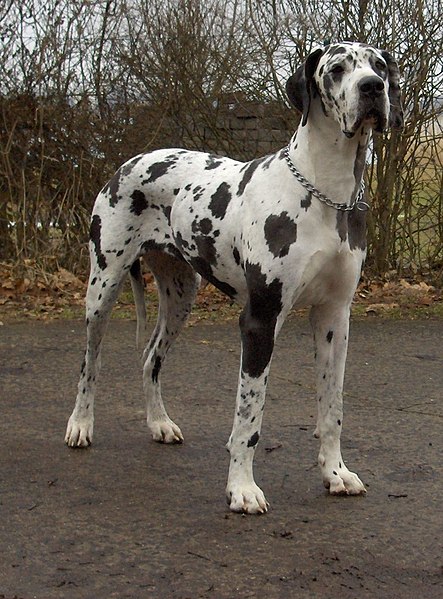
Great Dane

The Great Dane (18th Cent. French: Grand Danois), also known as German Mastiff (German: Deutsche Dogge) or Danish Hound (German: Dänischer Hund), is a breed of domestic dog (Canis lupus familiaris) known for its giant size. The Great Dane is one of the world's tallest dog breeds; the current world record holder, measuring 109 cm (43 in) from paw to shoulder; 220 cm (7.2 ft) from head to tail, is George. Great danes were originally bred to hunt deer and wild boar.

Description


As described by the American Kennel Club, "The Great Dane combines, in its regal appearance, dignity, strength and elegance with great size and a powerful, well-formed, smoothly muscled body. It is one of the giant working breeds, but is unique in that its general conformation must be so well balanced that it never appears clumsy, and shall move with a long reach and powerful drive." The Great Dane is a short haired breed with a strong galloping figure. In the ratio between length and height, the Great Dane should be square. The male dog should not be less than 30 in (76 cm) at the shoulders, a female 28 in (71 cm). Danes under minimum height are disqualified.
From year to year, the tallest living dog is typically a Great Dane. Previous record holders include Gibson and Titan, however the current record holder is a blue Great Dane named Giant George who stands 43 in (110 cm) at the shoulder. He is also the tallest dog on record (according Guinness World Records),beating the previous holder who was a brindle Great Dane named Shamgret Danzas, who stood 42.5 in (108 cm) at the shoulder.
The minimum weight for a Great Dane over eighteen months is 120 lb (54 kg) for males, 100 lb (45 kg) for females. Unusually, the American Kennel Club dropped the minimum weight requirement from its standard. The male should appear more massive throughout than the female, with a larger frame and heavier bone.
Great Danes have naturally floppy, triangular ears. In the past, when Great Danes were commonly used to hunt boars, cropping of the ears was performed to make injuries to the dogs' ears less likely during hunts. Now that Danes are primarily companion animals, cropping is sometimes still done for traditional and cosmetic reasons. In the 1930s when Great Danes had their ears cropped, after the surgery two devices called Easter Bonnets were fitted to their ears to make them stand up. Today, the practice is common in the United States and much less common in Europe. In some European countries such as the United Kingdom, Ireland, Denmark, Germany, parts of Australia, and in New Zealand, the practice is banned, or controlled to only be performed by veterinary surgeons.

Coat colors


Blue puppy


There are six show-acceptable coat colors for Great Danes:
  • Fawn: The color is yellow gold with a black mask. Black should appear on the eye rims and eyebrows, and may appear on the ears.
  • Brindle: The color is fawn and black in a chevron stripe pattern. Often also they are referred to as having a tiger-stripe pattern.
  • Blue: The color is a pure steel blue. White markings at the chest and toes are not desirable and considered faults.
  • Black: The color is a glossy black. White markings at the chest and toes are not desirable and considered faults.
  • Harlequin: The base color is pure white with black torn patches irregularly and well distributed over the entire body; a pure white neck is preferred. The black patches should never be large enough to give the appearance of a blanket, nor so small as to give a stippled or dappled effect. Eligible, but less desirable, are a few small grey patches (this grey is consistent with a Merle marking) or a white base with single black hairs showing through, which tend to give a salt and pepper or dirty effect. (Have the same link to deafness and blindness as Merle and white danes.)
  • Mantle (in some countries referred to as Bostons due to the similar coloration and pattern as a Boston Terrier): The color is black and white with a solid black blanket extending over the body; black skull with white muzzle; white blaze is optional; whole white collar preferred; a white chest; white on part or whole of forelegs and hind legs; white tipped black tail. A small white marking in the black blanket is acceptable, as is a break in the white collar
Other colors occur occasionally but are not acceptable for conformation showing, and they are not pursued by breeders who intend to breed show dogs. These colors include white, fawnequin, merle, merlequin, fawn mantle, and others. Some breeders may attempt to charge more for puppies of these "rare" colors. However, the breeding of white and merle Danes is particularly controversial, as these colors may be associated with genes that produce deafness. Although they cannot be shown, white or merle Danes can usually still be registered as pedigree dogs.

Temperament

The Great Dane's large and imposing appearance belies its friendly nature; the breed is often referred to as a gentle giant. Great Danes are generally well-disposed toward other dogs, other non-canine pets, and humans. They generally do not exhibit a high prey drive. The Great Dane is a very gentle and loving animal with proper care and training. A Great Dane is great for small children and a loving family as long as it grows up in the family from a pup. However if not socialized from a pup can be very aggressive towards other dogs.

Exercise


Like most dogs, Great Danes require daily walks to remain healthy. However it is important not to over exercise this breed, particularly when young. Great Dane puppies grow very large, very fast, which puts them at risk of joint and bone problems. Because of a puppy's natural energy, Dane owners often take steps to minimize activity while the dog is still growing.
Given their large size, Great Danes continue to grow (mostly gaining weight) longer than most dogs. Even at one year of age a Great Dane will continue to grow for several more months.


A Merle Great Dane

Health

Great Danes, like most giant dogs, have a fairly slow metabolism. This results in less energy and less food consumption per pound of dog than in small breeds. Great Danes have some health problems that are common to large breeds, including gastric dilatation-volvulus (GDV). The average life span of Great Danes is 6 to 8 years. Like many larger breeds, Great Danes are at particular risk for hip dysplasia.
Dilated cardiomyopathy (DCM) and many congenital heart diseases are also commonly found in the Great Dane, leading to its nickname: the Heartbreak breed, in conjunction with its shorter lifespan. Great Danes also suffer from several genetic disorders that are specific to the breed. For example, if a Great Dane lacks color (is white) near its eyes or ears, then that organ may not develop and usually the dog will be either blind, deaf, or both.

Source : wikipedia

Read more »

Siberian Husky

The Siberian Husky (Russian: сибирская лайка, "Siberian husky") is a medium-size, dense-coat working dog breed that originated in north-eastern Siberia. The breed belongs to the Spitz genetic family. It is recognisable by its thickly furred double coat, sickle tail, erect triangular ears, and distinctive markings.
Huskies are an active, energetic, and resilient breed whose ancestors came from the extremely cold and harsh environment of the Siberian Arctic. Siberian Huskies were bred by the Chukchi of Northeastern Asia to pull heavy loads long distances through difficult conditions. The dogs were imported into Alaska during the Nome Gold Rush and later spread into the United States and Canada. They were initially sent to Alaska and Canada as sled dogs but rapidly acquired the status of family pets and show dogs. Because of its efficiency as a working breed, most huskies are bred to be able to withstand long work days on little amounts of food.They can carry two people and travel 40 miles per day.
Recent DNA analysis confirms that this is one of the oldest breeds of dog. The term "husky" is a corruption of the nickname "Esky" once applied to the Eskimos and subsequently to their dogs.
Breeds descending from the Eskimo dog or Qimmiq were once found throughout the Northern Hemisphere from Siberia to Canada, Alaska, Greenland, Labrador, and Baffin Island.
With the help of Siberian Huskies, entire tribes of people were able not only to survive, but to push forth into terra incognita. Admiral Robert Peary of the United States Navy was aided by this breed during his expeditions in search of the North Pole.
Dogs from the Anadyr River and surrounding regions were imported into Alaska from 1908 (and for the next two decades) during the gold rush for use as sled dogs, especially in the "All-Alaska Sweepstakes," a 408-mile (657-km) distance dog sled race from Nome, to Candle, and back. Smaller, faster and more enduring than the 100- to 120-pound (45- to 54-kg) freighting dogs then in general use, they immediately dominated the Nome Sweepstakes. Leonhard Seppala, the foremost breeder of Siberian Huskies of the time, participated in competitions from 1909 to the mid 1920s.


On February 3, 1925, Gunnar Kaasen was first in the 1925 serum run to Nome to deliver diphtheria serum from Nenana, over 600 miles to Nome. This was a group effort by several sled-dog teams and mushers, with most of the run covered by Leonhard Seppala. The Iditarod Trail Sled Dog Race commemorates this famous delivery. The event is also loosely depicted in the 1995 animated film Balto, as the name of Gunnar Kaasen's lead dog in his sled team was Balto, although unlike the real dog, Balto the character was portrayed as half wolf in the film. In honor of this lead dog, a bronze statue was erected at Central Park in New York City. The plaque upon it is inscribed,
Dedicated to the indomitable spirit of the sled dogs that relayed antitoxin six hundred miles over rough ice, across treacherous waters, through Arctic blizzards from Nenana to the relief of stricken Nome in the winter of 1925. Endurance · Fidelity · Intelligence
In 1930 the last Siberians were exported as the Soviet government closed the borders of Siberia to external trade. The same year saw recognition of the Siberian Husky by the American Kennel Club. Nine years later, the breed was first registered in Canada. Today’s Siberian Huskies registered in North America are largely the descendants of the 1930 Siberia imports and of Leonhard Seppala’s dogs. Seppala owned a kennel in Nenana before moving to New England, where he became partners with Elizabeth Ricker. The two co-owned the Poland Springs kennel and began to race and exhibit their dogs all over the Northeast.
As the breed was beginning to come to prominence, in 1933 Navy Rear Admiral Richard E. Byrd brought about 50 Siberian Huskies with him on an expedition in which he hoped to journey around the 16,000-mile coast of Antarctica. Many of the dogs were trained at Chinook Kennels in New Hampshire. Called Operation Highjump, the historic trek proved the worth of the Siberian Husky due to its compact size and greater speeds. Siberian Huskies also served in the United States Army's Arctic Search and Rescue Unit of the Air Transport Command during World War II.

Appearance


A sable colored Siberian Husky.


Siberian Huskies share many outward similarities with the Alaskan Malamute as well as with many other spitz breeds such as the Samoyed, which has a comparable history to the Huskies. They come in a variety of colors and patterns, usually with white paws and legs, facial markings, and tail tip. The most common coats are black and white, then less common copper-red and white, gray and white, pure white, and the rare "Agouti" coat, though many individuals have blondish or piebald spotting. Striking masks, spectacles, and other facial markings occur in wide variety. They tend to have a wolf-like appearance.


Eyes


The American Kennel Club describes the Husky's eyes as "an almond shape, moderately spaced and set slightly obliquely." The eyes of a Siberian Husky are ice-blue, dark blue, amber, or brown. In some individual dogs, one eye may be brown and the other blue (complete heterochromia), or one or both eyes may be "parti-colored," that is, half brown and half blue (partial heterochromia) both females and males can have any combination of eye colors. All of these eye-color combinations are considered acceptable by the American Kennel Club.


Coat

The Siberian Husky's coat is thicker than most other dog breeds, comprising two layers: a dense undercoat and a longer topcoat of short, straight guard hairs. It protects the dogs effectively against harsh Arctic winters, but the coat also reflects heat in the summer. It is able to withstand temperatures as low as -50 to -60 °C (-58 to -76 °F). The undercoat is often absent during shedding. Their thick coats require weekly grooming.

Nose

Show-quality dogs are preferred to have neither pointed nor square noses. The nose is black in gray dogs, tan in black dogs, liver in copper-colored dogs, and may be flesh-colored in white dogs. In some instances, Siberian Huskies can exhibit what is called "snow nose" or "winter nose." This condition is called hypopigmentation in animals. "Snow nose" is acceptable in the show ring.

Tail

Siberian husky tails are heavily furred; these dogs will often curl up with their tails over faces and noses in order to provide additional warmth. The tail should be expressive, held low when the dog is relaxed, and curved upward in a "sickle" shape when excited or interested in something. It should be symmetrical, and not curved or deviated to the side; nor should it ever curl so much as to touch the back.

Size

The breed standard indicates that the males of the breed are ideally between 21 and 23.5 inches (53 and 60 cm) tall at the withers and weighing between 45 and 60 pounds (20 and 27 kg). Females are smaller, growing to between 20 to 22 inches (51 to 56 cm) tall at the withers and weighing between 35 to 50 pounds (16 to 23 kg).

Behavior

The Siberian Husky has been described as a behavioral representative of the domestic dog's forebear, the wolf, exhibiting a wide range of its ancestors' behavior. They are known to howl rather than bark. If the dog is well trained, it can make a great family pet. The frequency of kenneled Siberian Huskies, especially for racing purposes, is rather high, as attributed through the history of the breed in North America. They are affectionate with people, but independent. A fifteen-minute daily obedience training class will serve well for Siberian Huskies. Siberians need consistent training and do well with a positive reinforcement training program. They rank 45th in Stanley Coren's The Intelligence of Dogs, being of average working/obedience intelligence. They tend to run because they were at first bred to be sled dogs. Owners are advised to exercise caution when letting their Siberian Husky off the leash, as the dog could be miles away before looking around and realizing its owner is nowhere in sight. They are excellent "escape artists" as well, and have been known to climb chain-link fences and find other ways of escaping a confined area. They also get bored easily, so physical and mental stimulation on a daily basis is very important. Failure to give them the attention or proper exercise they need can result in unwanted behavior, such as excessive howling, marking, chewing on furniture, or crying. Siberian huskies should never be aggressive, nor do they make good guard dogs. They were historically bred to be working and companion animals by the Chukchi people, and should always be gentle in nature

Intelligence

Siberian Huskies are highly intelligent, which allows them to excel in obedience trials, though many clubs would like to keep the Husky's instinct by doing sled-racing. However, because of their intelligence, they can easily become bored and may stop listening to commands. Many dog trainers usually attempt to avoid this behavior by keeping them busy with new activities. Also due in part to their intelligence, Huskies tend to be very observant of the actions of people around them and have been known to mimic common household activities such as turning on lights with their paws and opening doors with their canines. Some undesirable behaviors they can exhibit include opening refrigerators (and eating the food inside), climbing fences or digging tunnels in the backyard to escape. These behaviors can be prevented if the dog is given enough activity to occupy it. Huskies require both mental and physical stimulation for optimum health.

Health

Huskies, with proper care, have a typical lifespan ranging from twelve to fifteen years. Health issues in the breed are mainly genetic, such as seizures and defects of the eye (juvenile cataracts, corneal dystrophy, canine glaucoma and progressive retinal atrophy). Hip dysplasia is not often found in this breed; however, as with many medium or larger-sized canines, it can occur. The Orthopedic Foundation for Animals currently has the Siberian Husky ranked 155th out of a possible 160 breeds at risk for hip dysplasia, with only two percent of tested Siberian Huskies showing dysplasia.
Siberian Huskies used for sled racing may also be prone to other ailments, such as gastric disease, bronchitis or bronchopulmonary ailments ("ski asthma"), and gastric erosions or ulcerations.

Source : wikipedia


Read more »

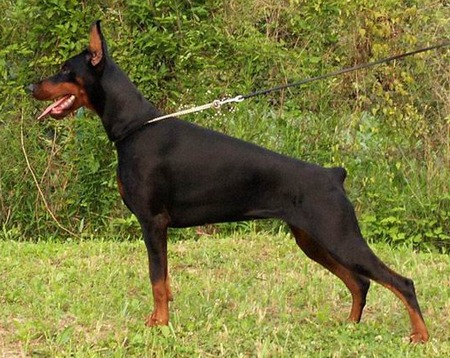
Doberman Pinscher

The Doberman Pinscher (alternatively spelled Dobermann in many countries) or simply Doberman, is a breed of domestic dog originally developed around 1890 by Karl Friedrich Louis Dobermann. Doberman Pinschers are among the most common of pet breeds, and the breed is well known as an intelligent, alert, and loyal companion dog. Although once commonly used as guard dogs or police dogs, this is less common today.
In many countries, Doberman Pinschers are one of the most recognizable breeds, in part because of their actual roles in society, and in part because of media attention (see temperament). Careful breeding has improved the disposition of this breed, and the modern Doberman Pinscher is an energetic and lively breed suitable for companionship and family life.

Appearance

Kennel club standards describe Doberman Pinschers as dogs of medium-large size with a square build and short coat. They are compactly built and athletic with endurance and swiftness. The Doberman Pinscher should have a proud, watchful, determined, and obedient temperament.The dog was originally intended as a guard dog, so males should have a masculine, muscular, noble appearance. Females are thinner, but should not be spindly.

Size and proportions

The Doberman is a dog of medium size. Although the breed standards vary among kennel and breed clubs, the dog typically stands between 26 to 28 inches 27.5 being ideal (66 to 72 cm), the female is typically somewhere between 24 to 26 inches, 25.5 being ideal (61 to 68 cm). The Doberman has a square frame: its length should equal its height to the withers, and the length of its head, neck and legs should be in proportion to its body. European lines, particularly those from the former Yugoslavia and former Soviet Union, tend to be larger than those in North America.
There are no standards for the weight of the Doberman Pinscher. The ideal dog must have sufficient size for an optimal combination of strength, endurance and agility. The male generally weighs between 70 and 90 pounds (34 and 45 kg) and the female between 60 and 90 pounds (27 and 41 kg).

Color

Two different color genes exist in the Doberman, one for black (B) and one for color dilution (D). There are nine possible combinations of these allelles (BBDD, BBDd BbDD BbDd, BBdd, Bbdd, bbDD, bbDd, bbdd), which result in four different color phenotypes: black, red, blue, and fawn (Isabella). The traditional and most common color occurs when both the color and dilution genes have at least one dominant allele (i.e., BBDD, BBDd, BbDD or BbDd), and is commonly referred to as black or black and rust (also called black and tan). The red, red rust or brown coloration occurs when the black gene has two recessive alleles but the dilution gene has at least one dominant allele (i.e., bbDD, bbDd). "Blue" and "fawn" are controlled by the color dilution gene. The blue Doberman has the color gene with at least one dominant allele and the dilution gene with both recessive alleles (i.e., BBdd or Bbdd). The fawn (Isabella) coloration is the least common, occurring only when both the color and dilution genes have two recessive alleles (i.e., bbdd). Thus, the blue color is a diluted black, and the fawn color is a diluted red.
Expression of the color dilution gene is a disorder called Color Dilution Alopecia. Although not life threatening, these dogs can develop skin problems.
In 1976, a "white" Doberman Pinscher was whelped, and was subsequently bred to her son, who was also bred to his litter sisters. This tight inbreeding continued for some time to allow the breeders to "fix" the mutation. White dobermans are a cream color with pure white markings and icy blue eyes. Although this is consistent with albinism, the proper characterization of the mutation is currently unknown. The animals are commonly known as tyrosinase-positive albinoids, lacking melanin in oculocutaneous structures, but no known mutation has been identified.

Tails


The Doberman Pinscher's natural tail is fairly long, but individual dogs often have a short tail as a result of docking, a procedure in which the majority of the tail is surgically removed shortly after birth.
The practice of docking has been around for centuries, and is older than the Doberman as a breed. The putative reason for docking is to ensure that the tail does not get in the way of the dog's work. Docking has always been controversial.The American Kennel Club standard for Doberman Pinschers includes a tail docked near the 2nd vertebra. Docking is a common practice in North America, Russia and Japan (as well as a number of other countries with Doberman populations), where it is legal. In many European countries, docking has been made illegal, and in others it is limited.

Ears


Doberman Pinschers often have their ears cropped, as do many other breeds, a procedure that is functionally related to breed type for both the traditional guard duty and effective sound localization. Like tail docking, ear cropping is illegal in some countries, and in these pictures Doberman Pinschers have natural ears. Doberman Pinscher ear cropping is usually done between 7 and 9 weeks of age and is done under anesthesia. Cropping done after 12 weeks has a low rate of success in getting the ears to stand.
In some countries' conformation shows, Doberman Pinschers are allowed to compete with either cropped or natural ears. In Germany a cropped or docked dog cannot be shown regardless of country of origin. Special written exception to this policy does occur when Germany is the location for international events.

Temperament

Although they are considered to be working dogs, Doberman Pinschers are often stereotyped as being ferocious and aggressive. As a personal protection dog, the Doberman was originally bred for these traits: it had to be large and intimidating, fearless, and willing to defend its owner, but sufficiently obedient and restrained to only do so on command. These traits served the dog well in its role as a personal defense dog, police dog, or war dog, but were not ideally adapted to a companionship role. In recent decades, the Doberman Pinscher's size, short coat, and intelligence made it a desirable house dog. Their aggression has been toned down by modern breeders over the years, and today's Dobermans are known for a much more even and good natured temperament, extreme loyalty, high intelligence, and great trainability.
They can easily learn to 'Respect and Protect' their owners, and are therefore considered to be excellent guard dogs that protect their loved ones. They are generally sociable toward humans and can be with other dogs. However, Dobermans rank among the more-likely breeds to show aggressive behaviour toward strangers and other dogs, but not among the most likely to do so. They are very unlikely to show aggressive behaviour toward their owners.

There is evidence that Doberman Pinschers in North America have a calmer and more even temperament than their European counterparts because of the breeding strategies employed by American breeders. Because of these differences in breeding strategies, different lines of Doberman Pinschers have developed different traits. Although many contemporary Doberman Pinschers in North America are gentle and friendly to strangers, some lines are bred more true to the original personality standard.
Although the aggressiveness stereotype is less true today, the personality of the Doberman Pinscher is unique. There is a great deal of scientific evidence that Doberman Pinschers have a number of stable psychological traits, such as certain personality factors and intelligence. As early as 1965, studies have shown that there are several broad behavioral traits that significantly predict behavior and are genetically determined.Subsequently, there have been numerous scientific attempts to quantify canine personality or temperament by using statistical techniques for assessing personality traits in humans. These studies often vary in terms of the personality factors they focus on, and in terms of ranking breeds differently along these dimensions. One such study found that Doberman Pinschers, compared to other breeds, rank high in playfulness, average in curiosity/fearlessness, low on aggressiveness, and low on sociability. Another such study ranked Doberman Pinschers low on reactivity/surgence, and high on aggression/disagreeableness and openness/trainability.


Intelligence


Canine intelligence is an umbrella term that encompasses the faculties involved in a wide range of mental tasks, such as learning, problem-solving, and communication. The Doberman Pinscher has ranked amongst the most intelligent of dog breeds in experimental studies and expert evaluations. For instance, Psychologist Stanley Coren ranks the Doberman as the 5th most intelligent dog in the category of obedience command training, based on the selective surveys he performed of some trainers (as documented in his book The Intelligence of Dogs). Additionally, in two studies, Hart and Hart (1985) ranked the Doberman Pinscher first in this category. and Tortora (1980) gave the Doberman the highest rank in trainability. Although the methods of evaluation differ, these studies consistently show that the Doberman Pinscher, along with the Border Collie, German Shepherd and Standard Poodle, is one of the most trainable breeds of dog.

Source : wikipedia
Read more »

Rottweiler

The Rottweiler is a medium to large size breed of domestic dog. The dogs were known as "Rottweil butchers' dogs" (German: Rottweiler Metzgerhund) because they were used to herd livestock and pull carts laden with butchered meat and other products to market. Some records indicate that earlier Rottweilers may have also been used for hunting, although the modern Rottweiler has a relatively low hunting instinct.
The Rottweiler was employed in its traditional roles until the mid-19th century when railways replaced droving for getting livestock to market. While still used in herding, Rottweilers are now also used as search and rescue dogs, as guide dogs for the blind, as guard dogs or police dogs, and in other roles.

Head


The skull is of medium length, broad between the ears. The forehead line is moderately arched as seen from the side, with the occipital bone well developed without being conspicuous. The stop is well defined.
The Rottweiler nose is well developed, more broad than round, with relatively large nostrils and always black. The muzzle should appear neither elongated nor shortened in relation to the cranial region. The nasal bridge is broad at the base and moderately tapered.
The lips are black and close fitting with the corner of the mouth not visible. The gums should be as dark as possible.
Both the upper and lower jaws are strong and broad. According to the FCI Standard Rottweilers should have strong and complete dentition (42 teeth) with scissor bite, the upper incisors closely overlapping the lower incisors.
The zygomatic arches should be pronounced. The eyes should be of medium size, almond-shaped and dark brown in colour. The eyelids are close fitting.
The ears are medium-sized, pendant, triangular, wide apart, and set high on the head. With the ears laid forward close to the head, the skull appears to be broadened.
The skin on the head is tight fitting overall. When the dog is alert, the forehead may be slightly wrinkled.

Neck

The neck is strong, of fair length, well muscled, slightly arched, clean, free from throatiness.

Body

The back is straight, strong and firm. The loins are short, strong and deep. The croup is broad, of medium length, and slightly rounded, neither flat nor falling away. The chest is roomy, broad and deep (approximately 50% of the shoulder height) with a well-developed forechest and well sprung ribs. The flanks are not tucked up.

Tail


The tail was traditionally docked at the first or second joint or Natural Bob Tail ("stumpy"). However docking is now banned in many countries, but remains legal in others, notably the USA and New Zealand. According to the FCI Standard an un-docked Rottweiler tail is "level in extension of the upper line; at ease it may be hanging".

Limbs

When seen from the front, the front legs are straight and not placed close to each other. The forearm, seen from the side, stands straight and vertical. The slope of the shoulder blade is about 45 degrees. The shoulders are well laid back. The upper arm is close fitting to the body. The forearm is strongly developed and muscular. Pasterns are slightly springy, strong but not steep. The front feet are round, tight and well arched, the pads hard, nails are short, black and strong.
When seen from behind, the rear legs are straight and not too close together. When standing free, obtuse angles are formed between the dog’s upper thigh and the hip bone, the upper thigh and the lower thigh, and the lower thigh and metatarsal. The upper thigh is moderately long, broad and strongly muscled. The lower thigh is long, strongly and broadly muscled, sinewy. The hocks are sturdy, well angulated, not steep. The hind feet are slightly longer than the front feet. Toes are strong, arched, as tight as the front feet.

Gait

The Rottweiler is a trotting dog. In movement the back remains firm and relatively stable. Movement is harmonious, steady, full of energy and unrestricted, with good stride.

Coat

The coat consists of an outer coat and an undercoat. The outer coat is of medium length, coarse, dense and flat. The undercoat should be present on the neck and thighs. The undercoat must not show through the outer coat.
Rottweilers living in hot climates may have acclimatised and may be missing the undercoat.
Rottweiler coats tend to be low maintenance, although they experience heavy shedding prior to their seasons (females) or seasonally (males).

Size

Technically a "medium / large" breed, according to the FCI standard the Rottweiler stands 61 to 68 cm (24"-27") at the withers for males, 56 to 63 cm (22"-25") for females, and the weight must be between 50 to 60 kg (110-132 lbs) for males and between 35–48 kg (77-105 lbs) for females. Weight must be relative to height.

Temperament


According to the FCI Standard, the Rottweiler is good-natured, placid in basic disposition, very devoted, obedient, biddable and eager to work. Their appearance is natural and rustic, their behaviour self-assured, steady and fearless. They react to their surroundings with great alertness. The American Kennel Club says it is basically a calm, confident and courageous dog with a self-assured aloofness that does not lend itself to immediate and indiscriminate friendships. A Rottweiler is self-confident and responds quietly and with a wait-and-see attitude to influences in its environment. It has an inherent desire to protect home and family, and is an intelligent dog of extreme hardness and adaptability with a strong willingness to work, making them especially suited as a companion, guardian and general all-purpose dog.
Rottweilers are a powerful breed with well-developed genetic herding and guarding instincts. As with any breed, potentially dangerous behaviour in Rottweilers usually results from irresponsible ownership, abuse, neglect, or lack of socialisation and training. However, the exceptional strength of the Rottweiler is an additional risk factor not to be neglected. It is for this reason that breed experts recommend that formal training and extensive socialisation are essential for all Rottweilers. According to the AKC, Rottweilers love their owners and may behave in a clownish manner toward family and friends, but they are also protective of their territory and do not welcome strangers until properly introduced. Obedience training and socialisation are musts.
A 1997 report by the CDC on dog-bite-related fatalities in the U.S. reported that Rottweilers were the second most likely dog to be involved in fatal dog attacks on humans (29 deaths over 20 years), after Pit Bulls (60 deaths over 20 years). In 2011, of the 33 recorded dog attack fatalities in the U.S., four were by Rottweilers.
Breed-specific bite rates are not known, and less responsible owners being drawn to certain breeds may be a factor. Dogs bite approximately 4.7 million people in the U.S. each year, with fewer than 30 dog-bite-related human fatalities from a total dog population estimated by the American Pet Products Association at 77.5 million dogs. A 2008 study surveying breed club members found that while Rottweilers were average in aggressiveness (bites or bite attempts) towards owners and other dogs, it indicated they tend to be more aggressive than average towards strangers. This aggression appears correlated with watchdog and territorial instincts.
Rottweilers have been banned in some municipalities, and they are sometimes targeted as dangerous dogs by legislation, such as in Poland, Portugal and the Republic of Ireland.

Health

Rottweilers are a relatively healthy, disease-free breed. As with most large breeds, hip dysplasia can be a problem. For this reason the various Rottweiler breed clubs have had x-ray testing regimes in place for many years. Osteochondritis Dissecans, a condition affecting the shoulder joints, can also be a problem due to the breed's rapid growth rate. A reputable breeder will have the hips and elbows of all breeding stock x-rayed and read by a recognised specialist, and will have paperwork to prove it.
They will also have certificates that their breeding animals do not have entropion or ectropion and that they have full and complete dentition with a scissor bite.
As with any breed, hereditary conditions occur in some lines. Because of recent overbreeding, cancer has become one of the leading causes of early death in Rottweilers. For unknown reasons, Rottweilers are more susceptible than other breeds to become infected with parvovirus, a highly contagious and deadly disease of puppies and young dogs. Parvovirus can be easily prevented by following a veterinarian's recommended vaccine protocol.
If overfed or under exercised, Rottweilers are prone to obesity. Some of the consequences of obesity can be very serious, including arthritis, breathing difficulties, diabetes, heart failure, reproductive problems, skin disease, reduced resistance to disease and overheating caused by the thick jacket of fat under the skin.
Breed surveys in the US, UK and Denmark puts the average lifespan of Rottweilers at 9 to 10 years.

Source : wikipedia


Read more »

South Russian Ovcharka

A South Russian Ovcharka, also known as a Ukrainian Ovcharka, or South Russian Sheepdog, is a large, long-haired (12 centimeters), white sheepdog. Breeders have not yet developed a precise theory of the dog's origins. However, it is agreed that its ancestors lived in the Crimea region between the Black Sea and the Sea of Azov. About 36 inches tall it has a long head, with dangling, small, triangular ears. Its coat consists of long, usually white (although sometimes white with yellow, or with shades of grey), thick coarse hair, that is bushy and slightly wavy. An undemanding dog, it can adapt to most weather conditions.

Appearance

The South Russian Ovcharka is robust and lean, with massive bone structure and strongly developed musculature. The coat is long 4-6 inches (10–15 cm), coarse, thick and dense. It is of equal length on head, chest, legs and tail, with a well-developed undercoat. The coat colors are most often white but also white and yellow, straw color, grayish (ashen gray) and other shades of gray; white lightly marked with gray, gray speckled. The head is an elongated shape with a moderately broad forehead; the occipital crest and the zeugmatic arches are strongly pronounced. The stop is barely visible. The nose is big and black. The ears are relatively small, of triangular shape, hanging. The eyes are oval shape, set horizontally, dark; the eyelids lean, tight. The teeth are white, big, fitting closely. The incisors are set regularly and close in scissor bite. The neck is lean, muscular, of moderate length, set high. The chest is reasonably broad, slightly flattened, deep. The belly is moderately tucked up. The Loin is short, broad, rounded. The withers are apparent but not high. Back straight and strong. The tail is falling at rest, reaching the hock, with the end curved upward. The front legs are straight, parallel, relatively long. The angle formed by the shoulder bone and upper arm bone is about 100 degrees. Pasterns are strong, wide and long, with a slight slant. Hindquarters are powerful, wide set, parallel. Well-angulated. The upper thighs are well-muscled. Stifle bones are long, inclined. Hock joint is clean-cut, angular. The hock is strong, long, slightly inclined. The feet are oval shaped, strong, well arched, covered with long hair.

Temperament

The South Russian Ovcharka is not for everyone. This very large breed can be dominant, wary of strangers, and is very lively making him difficult to care for. It is a great guardian breed however and would do well guarding cattle or flocks of sheep. The South Russian Ovcharka is a dog of robust constitution, of above average size; it is fierce and distrustful of strangers, not very demanding and can adapt easily to diverse climatic conditions and temperatures. This is most evident according to its sex. The males are more dominant, stronger and larger than the females. They are usually highly nervous when engaging in sports activities; strong, balanced and are also very lively. They have a dominant reaction: active way of defense. As guardians they extend themselves to include their families, their home and as much land as they can scent fully call their own. The possessive nature of this dog requires extensive property, a sizable family, and preferably other animals that it can protect. It has a dominating personality and can enforce its will upon other dogs with ease. This breed needs an owner who knows how to display strong leadership. It socializes best while still young.

Training

The South Russian Ovcharka requires firm and consistent training as he can be very independent and can have a short attention span. Given a dominant trainer/handler, this breed can do exceptionally well.

Care

The coat of this breed requires daily brushing down to the undercoat, accepting grooming from puppyhood. As this breed is very active, his coat has the tendency to become matted quickly. hair Around the mouth should be cleaned daily. The coat plays an important role, protecting the dog against cold and warmth. It is "self cleaning". Even when the weather is dirty and rainy, the coats will be bright white when dried. It is possible to spin and knit the hair. It used to be done in Imperial Russia, and the knitting was used as a form medical treatment of rheumatism.

Health

South Russian Ovcharkas can become quite old. 10 - 12 years is not uncommon. In general, they are healthy dogs. Some breed lines of dogs characterized by longevity. Their representatives have a decent life and up to 15-15.5 years.

 Source : wikipedia

Read more »

Dogo Argentino

The Dogo Argentino (also known as the Argentine Mastiff) is a large, white, muscular dog that was developed in Argentina primarily for the purpose of big-game hunting, including wild boar and puma; the breeder, Antonio Nores Martinez, also wanted a dog that would exhibit steadfast bravery and willingly protect its human companion to the death. It was first bred in 1928, from the Cordoba Fighting Dog along with a wide array of other breeds including, but not limited to, the Great Dane.

Appearance

The Dogo Argentino is a large white short-coated dog with very muscular and strong body that rarely has any markings (any type of marking or spot on the coat is considered a flaw.
Height: From 24 ½ to 27 inches inches (females) or 25 to 29 inches (males), measured at the withers. Weight: From 90 to 130 pounds. The length of the body is just slightly longer than the height, but female dogs may be somewhat longer in body than male dogs. The length of the front leg (measured from point of elbow to the ground) is approximately equal to one-half of the dog's height at the withers. The head has a broad, slightly domed skull and the muzzle is slightly higher at the nose than the stop, when viewed in profile. The tail is set low, thick at the base and tapers to a point. It has been described as looking similar to an American Bulldog but very tall and a solid white American Pit Bull Terrier.

Health

As in the Dalmatian, white Boxer, and the white Bull Terrier, the dogo may experience pigment-related deafness. There is possibility of an approximate 10% deafness rate overall with some dogos afflicted unilaterally (one deaf ear) and some bilaterally (deaf in both ears). Studies have shown that the incidence of deafness is drastically reduced when the only breeding stock used is that with bilaterally normal hearing.

Temperament

Dogos are big-game hunters and are sometimes trained for search and rescue, police assistance, and military work.
The Dogo Argentino was specifically bred to be fierce hunters, but then to go home to the hunters families and be gentle with the family.
Dogo Argentinos are protective of what they perceive as their territory and will guard it against any intruder. They get along with other dogs as long as they have been properly socialized, but will usually not tolerate another dog trying to assert dominance over them, therefore they might not coexist peacefully with another strong breed. The Dogo has a life expectancy of nine (9) to twelve (12) years.

Source : wikipedia
Read more »

Caucasian Shepherd Dog

Appearance


Caucasian Shepherd Dogs are strongly-boned, and muscular and even-tempered Molossers. Plain dogs have a shorter coat and appear taller as they are more lightly built. Mountain dog types have a heavier coat and are more muscularly built. Caucasian Shepherds have no maximum height and the minimum height for females is 64 centimetres (25 in), with a desirable height between 67 and 70 centimetres (26 and 28 in). They weigh at least 45 kilograms (99 lb). The minimum height for males is 68 centimetres (27 in), with a desirable height between 72 and 75 centimetres (28 and 30 in). Males weigh 50 kilograms (110 lb) and up. Softness and vicious temperaments are considered serious faults for the breed. Dogs of this breed are generally healthy and long lived, but hip dysplasia, obesity and occasional heart problems are known to occur. The ears of the Caucasian Shepherd are traditionally cropped, although some modern dogs are unaltered. The preferred show-types are the long-coated grey dogs with some white markings. Black or black-and-tan dogs are often not acceptable in the show ring. The Caucasian is rather well lived averaging 10-14 years. The Caucasian shepherd is rather intelligent; however, they can be insolent and refuse to listen at times. This can be overcome by proper training.

History


The Caucasus mountains are home to one of the oldest living Molosser breeds, the Caucasian Mountain Dog. There is a great variety of types among the Caucasian dogs depending on their home region, but a single type has come to be favored in the show rings and literature, at the expense of other breed variants.
Although its first official Show-Ring appearance outside the Caucasus was in the 1930s in Germany, the Caucasian Mountain Dog has existed since ancient times, like many Eastern Molossers.

Source : wikipedia
Read more »

Austrian Black and Tan Hound

Appearance

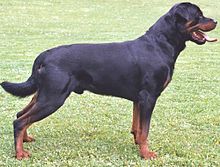
Colouring in this breed is highly important; they must be black with small, clearly defined, light to dark fawn markings. Two fawn marks above the eyes must be present. The coat is smooth, dense and short (about 2 cm in length). The long tail is slightly bent and the ears are medium in length and lie flat with rounded tips. Males are 51 to 56 cm (20-22 inches), while females are 48 to 53 cm (19-21 inches). They weigh 15 to 22 kg (33-49 pounds).

Temperament

It has a keen sense of smell. Its an elegant runner, used in all sorts of game. It has a lovely voice, and makes an great pet due to its good-natured personality. It is not a dog wanting to be in a city. A suitable home will be in a rural area where the dog will have lots of space to run unrestricted by a leash. It loves to work.

Care

It needs daily exercise. The breed will only require a once-a-week brushing and only bathing when necessary. Nails need to be trimmed regularly and ears need to be cleaned every day to avoid ear infections. There are no genetic diseases known to affect the breed, and are fairly healthy, and live up to 12 to 14 years of age.

Source : wikipedia
Read more »

Alapaha Blue Blood Bulldog

The Alapaha Blue Blood Bulldog (ABBB) is an American rare dog breed, believed to have been developed in the Alapaha River region of southern Georgia.They are recognized for intelligence, athleticism, and a protective nature. If raised correctly, they are noted for excellence in obedience, agility, weight-pulling, and Schutzhund.

Appearance

Displaying a natural bulldog type, the Alapaha is nevertheless a sturdy, well-developed, and muscular breed. Descriptions of its size vary greatly, calling for males anywhere from 70 to 90 pounds (32 to 41 kg) give or take 10 lbs standing 20 to 25 inches (51 to 63 cm) at the withers, females smaller at 55 to 75 pounds (25 to 34 kg). Ears and tail are natural, with no cropping or docking. Colors of the Alapaha are varied, preferred to be at least 50% white with patches. They can be predominantly solid-colored with white, or solid white. Patches are generally merle, brindle, solid blue, black, chocolate, red, fawn, seal, or tri-colored. Some dogs are piebald spotted. They are more recently seen in blue merle, red merle as well as fawn or chocolate merle. Eye color can vary from brown to blue with some dogs having two-color eyes or one eye showing two colors. Grooming requirements are minimal, due to the breed's short, close coat.

Temperament

The ABBB is described as trainable, dutiful, and responsible, with impressive capabilities as a guardian of family and property. It is protective, and loving in the home and are known to have a strong protective instincts. The Alapaha needs to be socialized well starting in early puppyhood and trained using humane methods rather than force-based techniques that encourage aggression.

Training

The Alapaha Blue Blood Bulldog is very intelligent and learns quickly. Puppies are easy to house-train and fast to learn to walk on a leash; adults are known to excel in many dog sports, including agility, obedience, and protection work due to their intelligence and athleticism. ABBB respond best to positive training.

Activity level

The Alapaha Blue Blood Bulldog is very energetic and athletic. They may do well in an apartment if they are sufficiently exercised. They are very inactive indoors, but will do best with at least an average-sized yard. They are used for working cattle and catching hogs, and therefore their muscles are long and powerful, and must be exercised regularly. Their muzzle, which by standard should be 2 to 4 inches in length, makes breathing easier while running. These athletic dogs demand exercise, enjoy long walks, running around and playing.

Health

This breed is susceptible to entropion, an inversion of the eyelids, and cherry eye or inflammation of the tear duct, due to their small genetic pool.

History

The Alapaha Blue Blood Bulldog breed was developed by using Old Southern White Bulldogs (also called White English Bulldogs), Catahoula Bulldogs, and a small amount of Colby Pit Bull Terriers. The origins of the breed are unknown. They are not the same breed as American Bulldogs and not to be confused with them, although the pre-registry Alapaha stock included many dogs also found in the American Bulldog's breed ancestry.
The Alapaha Blue Blood Bulldog Association Club states they were founded in 1979. Earliest evidence of this club/registry is in California in 1989 opened & run by Raoul Trevoy Coleman owner of CRK Kennels as verified by paid business search; between 1979-1989 there is no evidence of registered dogs, breeding, offspring, photographs, or documented history of dogs or people between this time of 1979-1989In 2009 controversial videos have surfaced featuring the owner/president of the club and owner of Cattle Rustler Kennels that has been deemed by some as abuse and others as schutzhund training, http://raekwonmacguy.buzznet.com/user/video/4397841/alapaha-blue-blood-bulldog-abba/ Mr. Coleman is still the owner/president of this club today, unfortunately this is part of the history of the breed and documented, the ABBA will always remain a historical factor in the ABBB breed. Near the end of 2009 the ABBA private club published a functioning website for the first time with self proclaimed heritage, prior to this was simply a warning page for many years suggesting people do not buy Alapahas from other registries. Many registries do not recognize the ABBA claims of heritage such as A.R.B.A (All Rare Breed Association) who is familiar with the Lane family and the first registered ABBB's. Claims made that Ms. Lana Lou Lane (deceased) was the secretary and (first cousin) Mr. Pete Strickland president both (deceased) claim to never have been apart of the ABBA club, as contested by William Herb Strickland's statement (Pete Strickland's brother), and Ms. Vivian Lane mother of Lana Lou Lane, signed and notarized http://www.alapahabulldog.com/breedinformation.htm. Mrs. Lana Lou Lane begun registering the breed with the Animal Research Foundation in 1986. However, Ms. Lana Lou Lane's family lines are described in the World Atlas of Dog Breeds as the founders of the breed, featured also in the book are the photos of White Pines Kennel Alapahas, Ms. Lane did not trademark the name "Alapaha Blue Blood Bulldog" for her family bloodline before her death unfortunately, because the breed was being registered elsewhere at the time she attempted and the name being used she was unable to secure her old time bloodlines and name of the breed. She does not have ongoing family members able to uphold the family heritage, but nonetheless her name will forever live in this breed. Individuals such as Jane Otterbein of Twin Elm Kennels, owning such dogs well known as Lana's Dakota Tatanka Del Rio "Cody" ARF registered one of the first to be shown in a conformation ring A.R.B.A (All Rare Breed Association). The first awarded conformation/working titles as Champions to the ABBB breed is first working titled dog(male) 2005 Ch Irondog GDT and IDT3 Warlock owned and handled by Ariel Cortez of Texas USA, conformation dog(male)IABCA 2009 Ch.Ironman and first conformation bitch(female) IABCA 2009 Ch.Rogue, both conformation champions owned and handled by the Scharfe family in Ontario Canada. There are many long standing, functioning registries that recognize the Alapaha Bulldog, with the controversy over ARF and ABBA registry clubs, individuals are choosing to register there ABBB elsewhere to avoid this, and the Alapaha are know worldwide of multiple registries just as any other purebred breed. The Lane family is still responsible for this breed and preserving their family line of Bulldogs/canines, the earliest ABBA founded Alapahas where of dual registered ARF and ABBA and where Lane family lines. Pioneers to the breed have been named through ABBA club/registry, for instance, William Chester etc., there is no evidence that supports these persons even owned an Alapaha Blue Blood Bulldog or had any involvement in the breeding programs. Before 1986 no Alapaha Bulldogs where registered and hence not considered a pure breed, until the Lane family of Rebecca Georgia having and been breeding these dogs for over 80 yrs, of Southern United States registered this rare breed with ARF, one of the oldest registries in the United States of America.

Source : wikipedia


Read more »

Alano-espanol

Alano Español, sometimes called the Spanish Bulldog in English, is a very large breed of dog of the molosser dog type, originating in Spain. The breed is best known for its former use during Spanish bullfights.

Appearance

The Alano Español is a very large dog of the Molosser type, with a large, strong head. Males should be no smaller than 58 centimetres (23 in) at the withers, and should weigh 34–40 kilograms (75–88 lb) with females somewhat smaller.
The coat is short and thick but never velvety, and is most often a brindle of any color; leonardo (fawn);black and brindle; sable wolf. White chest flashes are acceptable but prevalence of white is not. The face may or may not have a black mask.
The muzzle is short with the lower jaw slightly concave, and has a very large, broad, black nose. The ears are set high and may be drop or cut short. The skin is very thick, with neck folds and some wrinkles on the face.

History

The name of the breed comes from the Alani, nomadic pastoralists who arrived in Spain as part of the transhumance in the 5th Century. These peoples were known to keep large livestock guardian dogs and pursuit dogs which became the basis for the many regional Alaunt types. The first formal, written reference to the breed in Spain is in a chapter of the 14th century "Book of the Hunt of Alfonso XI" (Libro de la Montería de Alfonso XI) in which hunting dogs called Alani are described as having beautiful colours. Dogs of this type traveled with Spanish explorers and were used as war dogs (as was their role in Eurasia before migration) in the subjugation of Indian (Native American) peoples, as well as in the capturing of slaves.
Bull baiting done in the bullfighting ring with dogs of this type was recorded by Francisco de Goya in his series on La Tauromaquia in 1816.Besides their use in the bullring Alanos were also used for hunting big game such as wild boar.
The large dogs began to disappear as the work they did began to change. Big game became rare, stockyards were modernized and no longer used dogs to hold the cattle, use in bullfights was outlawed, and by 1963 Alanos were thought to be extinct. In the 1970s a group of fanciers and veterinary students made house-to house surveys in western and northern Spain, and found a few examples of the dogs in the Basque areas of Enkarterri and Cantabria, being used to herd semi-wild cattle and hunt wild boar. A standard was written and the dogs were documented and bred, and the Alano Español was recognised as independent breed by the Spanish Kennel Club in 2004, though earlier studies at the University of Cordoba clarified the Alano as distinct from any other breed at genetic level. The Spanish Ministry of Agriculture (Ministerio de Agricultura, Pesca y Alimentación) recognises the Alano Español as an indigenous Spanish breed.
Although the breed in Spain is still small in number and the breed has not yet been recognised internationally by the Fédération Cynologique Internationale, examples of the Alano Español have been exported to North America, where a few breeders are promoting for temperament and hunting ability.

Source : wikipedia
Read more »

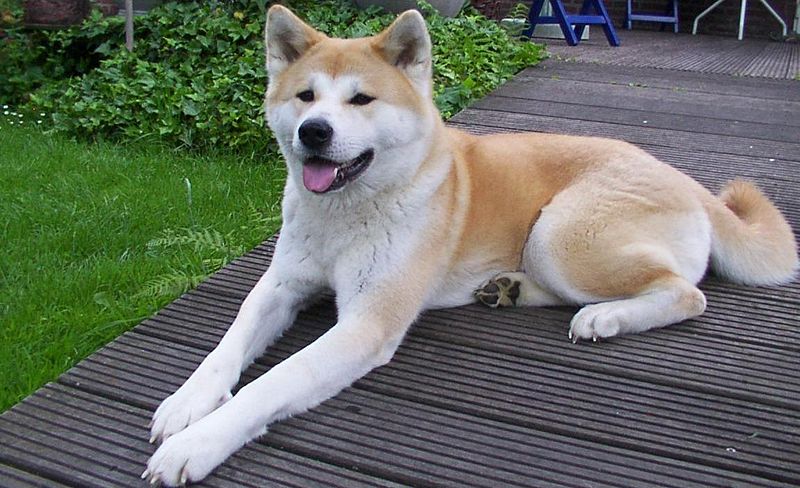
Akita

The Akita is a large spitz breed of dog originating from the mountainous northern regions of Japan. There are now two separate strains: American, a/k/a "Akita" or "American Akita"; and Japanese, aka "Akita Inu" or "Japanese Akita". The American strain comes in all dog colors; however, the Japanese strain comes in selected colors only, with all other colors considered atypical of the breed. The Akita has a short double coat, similar to that of many other northern Spitz breeds, e.g., Siberian Husky, but long coated dogs can be found in many litters due to a recessive gene. The American strain of Akita is now considered a separate breed from the Japanese Akita in many countries around the world, with the notable exceptions of Australia, the United States and Canada. In the U.S. and Canada, both strains are considered a single breed with differences in type rather than two separate breeds. During a short period, the American strain of Akita was known in some countries as the "Great Japanese Dog". Both forms of Akita are probably best known worldwide from the true story of Hachikō, a loyal Akita dog who lived in Japan before World War II. The Akita is a strong, independent and dominant breed, commonly aloof with strangers but affectionate with family members. They are known to compete in many dog competition sports, yet some are known to be intolerant of other dogs and require a knowledgeable and firm handler. As a breed, Akitas are generally hardy, but they have been known to suffer from various genetic conditions and be sensitive to certain drugs.

Appearance

As a northern breed (generically, Spitz), the appearance of the Akita reflects cold weather adaptations essential to their original function. The Akita is a substantial breed for its height with heavy bones. Characteristic physical traits of the breed include a large, bear-like head with erect, triangular ears set at a slight angle following the arch of the neck. Additionally, the eyes of the Akita are small, dark, deeply set and triangular in shape. Akitas have thick double coats, and tight, well knuckled cat-like feet. Their tails are carried over the top of the back in a graceful sweep down the loin, into a gentle curl, or into a double curl.
Mature American type males measure typically 26-28 inches (66–71 cm) at the withers and weigh between 100-130 lb (45–59 kg). Mature females typically measure 24-26 inches (61–66 cm) and weigh between 70-100 lb (32–45 kg). The Japanese type, as stated in the breed standards, are a little smaller and lighter.
Breed standards state that all dog breed coat colors are allowable in the American style Akita, including pinto, all types of brindle, solid white, black mask, white mask, self colored mask, even differing colors of under coat and overlay (guard hairs). This includes the common Shiba Inu coloring pattern known as Urajiro. The Japanese style Akitas, as per the breed standards, are restricted to red, fawn, sesame, brindle, pure white, all with "Urajiro" markings i.e., whitish coat on the sides of the muzzle, on the cheeks, on the underside of jaw, neck, chest, body and tail and on the inside of the legs.

Coat types

There are two coat types in the Akita, the standard coat length and the long coat. The long coat is considered a fault in the show ring, however, they still make good pets.The long coat, also known as 'Moku' is the result of a autosomal recessive gene and may only occur phenotypically if both sire and dam are carriers. They have longer (about 3-4 inches in length) and softer coats and are known to have sweeter temperaments. It is believed that this gene comes from the now extinct Karafuto-Ken 樺太犬 (extirpated in Japan, anyway) Dog of Russia.

Temperament

The Akita today is a unique combination of dignity, courage, alertness, and devotion to its family. It is extraordinarily affectionate and loyal with family and friends, territorial about its property, and can be reserved with strangers. It is feline in its actions; it is not unusual for an Akita to clean its face after eating, to preen its kennel mate, and to be fastidious in the house. They are however known to be intolerant of other dogs of the same gender, as stated in the AKC breed standard.
Since it is a large, powerful dog, the Akita is not considered a breed for a first time dog owner. The breed has been targeted by some countries' breed-specific legislation as a dangerous dog. The Akita is a large, strong, independent and dominant dog. A dog with the correct Akita temperament should be accepting of non-threatening strangers, yet protective of their family when faced with a threatening situation. They should be docile, aloof and calm in new situations. As a breed they should be good with children, it is said that the breed has an affinity with children, just as retrievers have an affinity with sticks and balls. However all care and caution should be taken with children and large dogs. Not all Akitas, nor all dogs, will necessarily have a correct temperament.
The Akita was never bred to live or work in groups like many hound and sporting breeds. Instead, they lived and worked alone or in pairs, a preference reflected today. Akitas tend to take a socially dominant role with other dogs, and thus caution must be used in situations when Akitas are likely to be around other dogs, especially unfamiliar ones. In particular, Akitas tend to be less tolerant of dogs of the same sex. For this reason, Akitas, unless highly socialized, are not generally well-suited for off-leash dog parks.The Akita is docile, intelligent, courageous and fearless, careful and very affectionate with its family. Sometimes spontaneous, it needs a firm, confident, consistent pack leader, without which the dog will be very willful and may become very aggressive to other dogs and animals.


 Source : wikipedia


Read more »

Akbash Dog

History

The Akbash Dog is thought to be a Turkish version of white livestock guardian breed similar to those found in and around the northern Mediterranean Basin. The Akbash Dog has its unique combination of molosser and sighthound qualities.
This breed was developed at least 3,000 years ago. Their white color distinguishes them from predators.
Archeological evidence suggests that the earliest civilizations arose in the parts of the world currently occupied by Turkey 10,000 years ago and began to domesticate animals and cultivate (or domesticate) plants. In short order there would have been a need for livestock protection dogs to care for the livestock.

Appearance

The Akbash is a large dog, weighing from 75 to 140 pounds (34 to 64 kg), averaging 90 pounds for the female, and 120 pounds for the male. Akbash dogs range from about 27 to 34 inches (69 to 86 cm) tall. The Akbash is leaner than other Turkish livestock guardian dog breeds (i.e.: Kangal, and Anatolian Shepherd), and some Akbash dogs may also be taller.
The Akbash has a smooth-short to medium-full white double coat (sometimes with some light biscuit coloring at the ears). It has long legs, a tail that curls and is frequently feathered, and pink skin blotched with black or blackish-brown under its white coat. Eye rims, nose and lips should be completely black or blackish-brown for the show ring, but commonly they may have some pink.
It is believed the ancient genetics of the Akbash dog were founded on a combination of molosser and sighthound breeds. The Akbash possesses characteristics of both. Although there is a lot of variation in size and height in the Akbash breed, Akbash dogs have a reputation for being tall with long strong bodies. Most appear statuesque and are quite flexible for dogs their size. They have loose skin around their necks to help protect them from predators. Heads range from medium to heavy for working breed dogs. Purebred Akbash dogs may or may not be born with rear double dewclaws. Lack of, or possession of rear double dewclaws in an Akbash is no indication of recent interbreeding with other livestock guardian breeds nor any other breeds.
It is supposed by some that the Akbash and the Kangal Dog were originally distinct, pure Turkish breeds, and they were combined to create the Anatolian Shepherd Dog. There still exists controversy on this subject. Akbash should be easy to recognize next to Kangals and Anatolian Shepherds because of their white appearance, although some Anatolian Shepherds may resemble Akbash or Kangals.
It is legal to export Akbash dogs from Turkey. It is illegal to export Kangal dogs from Turkey. Kangals are the national dog breed of Turkey.
The Akbash breed is not recognized by the American Kennel Club (AKC) but is recognized by the United Kennel Club (UKC). Akbash dogs may be shown in American Rare Breed Association (ARBA) shows, and in International All Breed Canine Association (IABCA) shows.

Temperament

The Akbash personality tends to be calm and aware. As a breed, it is not shy, nor is it aggressive. When used as a protection dog, it is suspicious of strangers in its territory, and unusual sounds and changes in its environment. The breed is not naturally hostile, and is, instead, naturally discerning, bred to think independently. The Akbash can be powerful against predators, yet, when properly exposed, be gentle with newborn lambs and goat kids. The usual first means of protection by an Akbash is prudently warning potential threats by barking or growling. The Akbash will chase away a predator, or physically protect against it, only if it deems that wise and necessary.
The Akbash is frequently mistakenly referred to as a herding dog, but are actually working dogs bred to live with and protect livestock, usually goats and/or sheep, and should not chase their charges, (although in some rare cases they may move their charges away from danger). Akbash is one of the more popular of about 30 breeds worldwide under the heading of Flock Guardians, Livestock Protection Dogs, or Livestock Guardian Dogs (more commonly: LGDs).
In their roles as livestock guardian dogs, Akbash dogs frequently spend long hours lying with flocks or herds. The Akbash is a relatively low energy breed, although they are said to always be thinking and taking in what is happening around them (and that they "sleep with one eye open"). They regularly patrol the perimeters of their territories, and listen and smell beyond any fence lines. They reserve much of their physical energy for emergencies when they may encounter a predator.
When protecting their charges, they appear to have tremendous power, focus, endurance and perseverance. Their great speed, loose neck skin, flexible bodies and bounding athleticism give them the physical edge they need to continue surviving as livestock protection dogs. Most predators will not openly confront a working Akbash, but a few may try it. To avoid having an injured livestock protection dog, and to better protect flocks and herds, it is common to use more than one dog in working situations. Predators are less likely to take on more than one livestock protection dog so neither working dog is likely to get injured.
The Akbash is uncommon as a companion dog. When trained appropriately from puppyhood on, it will get along with other domestic species. Since the Akbash has been bred to think on its own, dogs of this breed might be reluctant to adapt to obedience exercises. They have been bred not to chase their charges, so tend not to be interested in chasing balls or in games of fetch. They prefer large areas and may become discontent and exhibit problem behaviors, like escaping or being destructive, if relegated to a pen or small yard. Akbash dogs require tall secure fencing for best containment. The Akbash is not a dog for everyone. It is a working breed and is happiest when given a job compatible to its breeding, or at the least, when kept mentally engaged. These dogs are known for their intelligence, bravery, independence and loyalty.

Health

Cases of hip dysplasia and osteochondritis dissecans (OCD) have occurred with this dog; however, the breed as a whole does not seem to be afflicted with these conditions nearly as often as other large breeds. Akbash dogs, like many large breeds, can be expected to live 10 to 11 years on average, with some living much longer. Akbash dogs are capable of bonding very closely with their owners and other animals and can display a range of emotion and sensitivity unlike many other breeds.

 Source : wikipedia

Read more »

Belgian Shepherd Tervuren

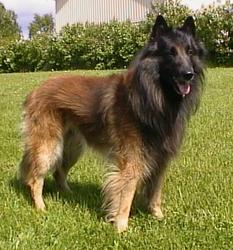
The Tervuren (sometimes spelled Tervueren), is a member of the Belgian Shepherd Dog family of dog breeds, named after a village in Belgium. Its classification varies, being classified under some breed standards as a breed in its own right, and in others as one of several acceptable variations of the Belgian. It is usually listed within breed standards under one or other, or a combination, of these names.
In the United States, since 1960, the AKC recognizes it under the name Belgian Tervuren. Prior to that date, all recognized varieties of the Belgians were called Belgian Sheepdog.
In Canada, the Canadian Kennel Club recognizes the Tervuren as a variety of the Belgian Shepherd Dog (prior to 2005, Belgian Shepherd Dogs were called Belgian Sheepdogs).


Appearance

Like all four of the Belgian Shepherds, the Tervuren is a medium-sized, square-proportioned dog in the Herding dog group. Males stand between 24 and 26 inches, and weigh approximately 65 lb. Bitches are finer and smaller. It is recognized by its thick double coat, generally mahogany with varying degrees of black overlay (completely missing overlay on males is a serious fault), including a black mask. A small patch of white on the chest is permissible, as well as white tips on toes. The Tervuren may also be sable or grey, but this may be penalized in the show ring in some countries according to the standard of the registering body. While the FCI permits any type of red (mahogany) coat including pale yellow (sand colour) and grey the AKC has stricter rules regarding colour. While the FCI states that fawn/mahogany is to be preferred grey colour is a fault under AKC rules.

Source : wikipedia

Read more »