
 |
| www.twinsinaction.com |
The relationship between humans and pets started for many years when it started and domestication. Children especially love animals. The motivation of children to acquire an animal is likely to hang out and play. The game is the best form of learning for children and one of their basic needs. But the benefits have to take a child from this symbiosis is a multiple psychosocial level.
Children who have pets have the opportunity to learn, to develop their emotional intelligence, to develop a sense of responsibility and more exercise. It has also observed that they have more confidence and feelings of social responsibility. Children learn about feelings of others and for their own means of interaction. A key characteristic of emotional intelligence Goleman line but he is "empathy", ie the ability to perceive and understand the feelings of others. The dog is an animal because a lot of communication offers an excellent opportunity for the development of "empathy" to the child. Of course in this learning process is very important the role of parents.
Empathy helps the individual to define his own behavior by recognizing and respecting each other's needs. In this case the definition is not mandated by the parents but the child from the same person as a self-regulatory capacity.
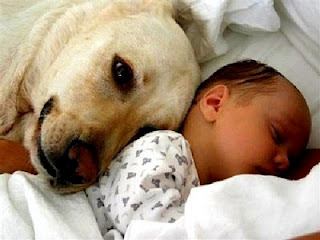
The influence of animals in children is beneficial for many reasons. Provided, through emotional support animal and a sense of security. In a related study found that infants and babies who grow up with an animal companion, do not lick their thumb, a classic example of emotional insecurity. Through the care of the animal develops a child responsibility, caring for others and sense of competence. The child feels useful. The confidence and self-esteem are enhanced.
What children learn from animals?
Children who grow up with pets have the opportunity to learn empirically about the life cycle such as reproduction, birth, old age, sickness and death. Through observation, you will understand experientially the proportions of human life and animal life by acquiring a better contact with his own nature and existential dimensions.
According to many psychological theories, the method of experiential knowledge, experience, substantially strengthens the individual. These children face life more realistic and easier to face the various losses in their lives. The animals accompany man in his loneliness. According to data from scientific studies, the therapeutic contribution of livestock, pets for children, with problems: Nosology, emotional and behavior are invaluable.
Childhood cruelty towards animals predictive of aggression and adult criminality. One of the worst things that can happen to a child in relation to later adult life is to torture or kill an animal and not have consequences. Child crime against animals is an indicator of how the child will develop later as an adult. Learning from early in the child respect for animals, give him a valuable asset for a proper course of conduct against "Violence."
In conclusion we can say that through the pet grown children the values of humanism, ecological conscience, the moral responsibility of altruism. All the above are only some of the benefits of cohabitation with a child's pet. Parents play an important role in the success of this process. The choice of the animal, to protect children from infections that may be affected by this, the age of children, the space at their disposal and the willingness and involvement of their own parents in the care of these are factors which should be take into account the parents before the decision to purchase an animal at home.
Source : http://www.filozoiki.gr

No comments:
Post a Comment
Note: Only a member of this blog may post a comment.